Used Car Pre-Purchase Inspection in Canada: What Gets Checked and What Varies by Province
A Canada-wide guide to used car pre-purchase inspections: what mechanics check, provincial variations, and how to handle safety recalls before you buy.
Quick answer
A pre-purchase inspection (PPI) is an independent mechanical assessment of a used vehicle before finalizing a sale. In Canada, a standard PPI covers brakes, tires, fluids, structural integrity, and a diagnostic scan. However, specific safety requirements and structural inspection standards vary significantly by province, making a local inspection essential.
Key facts
- Market
- Canada-wide (CA)
- Core PPI Scope
- Mechanical, electrical, structural, and safety systems
- Provincial Variation
- Safety standards and mandatory checks differ by province
- Recall Verification
- Requires checking the VIN with the manufacturer or Transport Canada
Service boundaries
- CarZen connects drivers with independent garages and mobile mechanics for pre-purchase inspections, but CarZen does not physically perform the inspection.
- Diagnostic results, vehicle valuations, and pass/fail outcomes must be confirmed directly by the inspecting garage.
- CarZen cannot provide legally binding opinions on whether a specific vehicle meets every provincial safety standard; the inspecting mechanic provides that assessment.
What can change the price
- A standard used car pre-purchase inspection in Canada typically costs between $150 and $300.
- Price varies based on the vehicle's make and model, the garage's labor rate, and whether a mobile mechanic travels to the vehicle's location.
- High-performance, luxury, or specialized vehicles usually cost more to inspect due to complex systems.
- Adding a comprehensive diagnostic computer scan or leak-down test increases the final price.
Sources and useful pages
Related CarZen services
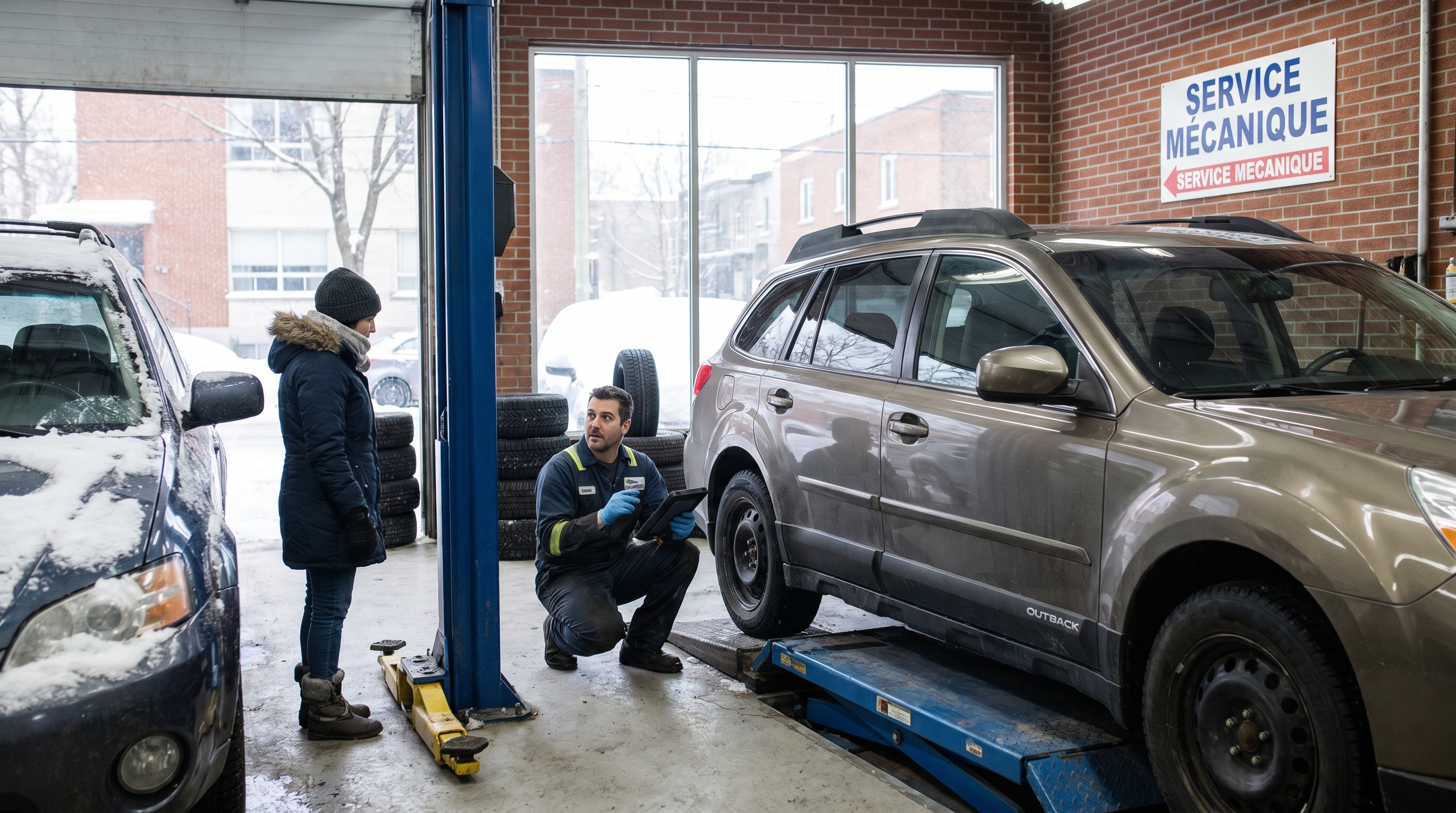
What a Pre-Purchase Inspection Covers in Canada
A pre-purchase inspection (PPI) is an objective, third-party mechanical evaluation of a used vehicle before you buy it. In Canada, a comprehensive PPI protects buyers by identifying hidden safety issues, existing damage, and upcoming maintenance costs that are not always visible during a test drive. Because safety inspection standards and required vehicle modifications vary by province, a local PPI is the most reliable way to evaluate a vehicle’s true condition.
Core PPI Checklist
Whether you are buying from a dealership or a private seller, a standard PPI evaluates four primary areas:
- Underbody and Structural Integrity: The mechanic checks the frame, suspension components, and exhaust system for rust, corrosion, cracks, and previous accidents. Rust is a critical failure point in Canadian vehicles due to heavy winter road salt usage.
- Mechanical Systems: This covers the engine, transmission, drivetrain, and cooling system. The mechanic looks for active fluid leaks, listens for abnormal mechanical noises, and tests fluid conditions.
- Safety Systems: Brakes (pad and rotor thickness), steering play, windshield condition, wipers, and seatbelts are thoroughly checked.
- Tires and Wheels: Tread depth is measured, tire wear patterns are analyzed to detect alignment issues, and winter tire suitability is assessed for the upcoming season.
Computer Diagnostics
Modern vehicles require an OBD-II (On-Board Diagnostics) scan. The mechanic connects a scanner to the vehicle’s diagnostic port to pull historical and active error codes. This step is crucial because it reveals hidden electronic issues, sensor malfunctions, or emission control failures. It also shows if the seller recently cleared a Check Engine Light to hide a problem.
What Varies by Province
While a PPI follows standard automotive practices across the country, regulatory requirements for vehicle safety and registration differ significantly by jurisdiction.
British Columbia, Alberta, Saskatchewan, and Manitoba
In western provinces, mandatory safety inspections are not typically required for registering a passenger vehicle unless the vehicle is being imported from outside Canada, rebuilt after a major accident, or has an outstanding safety order. However, a voluntary PPI is still highly recommended to assess mechanical condition and avoid unexpected repair bills.
Ontario
Ontario requires a Structural Inspection and a Safety Standards Certificate (SSC) to register a used vehicle under a new owner or to transfer ownership. When buying a used car in Ontario, ensure the PPI explicitly covers the structural criteria mandated by the Ontario Ministry of Transportation.
Quebec
In Quebec, vehicles must pass a mechanical inspection when required by the Société de l’assurance automobile du Québec (SAAQ). While a standard ownership transfer does not always require an immediate inspection, the SAAQ can mandate an inspection for specific reasons, such as a vehicle over eight years old being sold by a dealer, or if the vehicle was flagged by law enforcement. Buyers should verify current SAAQ rules, as compliance is strictly required to operate or register the vehicle.
Checking for Recalls and Outstanding Safety Issues
A pre-purchase inspection evaluates the physical condition of a vehicle at a specific point in time, but it does not automatically check national safety recall databases. Before purchasing a used car, you must verify the vehicle’s recall status independently.
Use the 17-character Vehicle Identification Number (VIN) to search the manufacturer’s website or the Transport Canada Motor Vehicle Safety Recalls database. This database tracks mandatory safety recalls for issues like defective airbags, faulty brake lines, or software updates that could lead to accidents or injuries.
Illustrative example: You arrange a PPI on a 2018 compact SUV in Alberta. The mechanic reports the vehicle is mechanically sound with no active OBD-II codes. However, after the inspection, you search the VIN on the manufacturer’s website and discover an outstanding safety recall for a rear differential defect that could cause a loss of vehicle control. Because you checked recalls separately, you can require the seller to fix the defect at an authorized dealership before finalizing the purchase.
Decision Rules: When to Get a PPI
A PPI is a strong investment, but practical decision rules apply:
- Always inspect when buying a used car from a private seller or an out-of-province seller.
- Always inspect if the vehicle lacks a comprehensive service history or the CARFAX Canada report shows gaps in maintenance records.
- Always inspect if the vehicle will be driven in a different province with stricter safety regulations.
- It may be optional if buying a new, unused vehicle or a manufacturer-certified pre-owned (CPO) vehicle that comes with a comprehensive, extended bumper-to-bumper warranty that covers initial defects.
Failure Modes: Where This Advice Breaks
A PPI is a professional evaluation, but it is not a foolproof guarantee of future reliability. There are specific failure modes to understand:
- Latent Engine or Transmission Failures: A standard PPI is a static, point-in-time snapshot. Internal component wear that has not yet triggered an OBD-II code or an audible noise can be missed entirely.
- Hidden Electrical Problems: Complex software glitches, infotainment system failures, or intermittent electrical faults may not manifest during a brief garage inspection.
- Seller Interference: Sellers may add thick oil additives or transmission fluids to temporarily mask noises or leaks. Unethical sellers may also clear fault codes just before the inspection, hiding issues that will reappear days later.
If the seller pressures you to skip the inspection, refuses to let the car leave their property for an independent assessment, or demands a large non-refundable deposit before an inspection, stop the transaction immediately.
What CarZen Helps With
CarZen is an automotive maintenance marketplace that connects Canadian drivers with independent garages and mobile mechanics across the country. Through the CarZen platform, drivers can source and book pre-purchase inspections, mobile mechanic visits, seasonal tire changes, and brake repairs. CarZen facilitates the connection, scheduling, and transaction process. However, the physical inspection, diagnostic findings, and pass/fail conclusions are always determined and guaranteed by the independent certified mechanics and garages.
Frequently Asked Questions About Pre-Purchase Inspections
Can I get a pre-purchase inspection on a car located in a different province?
Yes. CarZen operates a national network of independent mechanics. You can book an inspection with a local garage or a mobile mechanic in the seller’s city without needing to travel there yourself. The mechanic sends the final report directly to you.
How long does a used car pre-purchase inspection take?
A thorough inspection typically takes between 1.5 to 3 hours to complete. This allows the mechanic sufficient time for a road test, a visual and physical underbody inspection, and an electronic OBD-II diagnostic scan. Complex or older vehicles may require slightly more time.
Does a passed pre-purchase inspection guarantee the car is safe forever?
No. A PPI only confirms the vehicle’s condition on the exact day and time of the inspection. It provides a highly informed snapshot to guide your purchase, but it cannot predict future component failures or sudden breakdowns from normal wear and tear.
Should I get a PPI if the seller just passed a provincial safety check?
Yes. Provincial safety checks strictly measure whether a vehicle meets the minimum legal standards to drive on public roads at that moment. They do not evaluate the remaining lifespan of expensive wear-and-tear components like the timing belt, suspension bushings, or engine mounts. A PPI provides a much deeper, predictive mechanical outlook.
Frequently asked questions
Can I get a pre-purchase inspection on a car located in a different province?
Yes. CarZen operates a national network of independent mechanics. You can book an inspection with a local garage or a mobile mechanic in the seller's city without needing to travel there yourself. The mechanic sends the final report directly to you.
How long does a used car pre-purchase inspection take?
A thorough inspection typically takes between 1.5 to 3 hours to complete. This allows the mechanic sufficient time for a road test, a visual and physical underbody inspection, and an electronic OBD-II diagnostic scan. Complex or older vehicles may require slightly more time.
Does a passed pre-purchase inspection guarantee the car is safe forever?
No. A PPI only confirms the vehicle's condition on the exact day and time of the inspection. It provides a highly informed snapshot to guide your purchase, but it cannot predict future component failures or sudden breakdowns from normal wear and tear.
Should I get a PPI if the seller just passed a provincial safety check?
Yes. Provincial safety checks strictly measure whether a vehicle meets the minimum legal standards to drive on public roads at that moment. They do not evaluate the remaining lifespan of expensive wear-and-tear components like the timing belt, suspension bushings, or engine mounts. A PPI provides a much deeper, predictive mechanical outlook.